

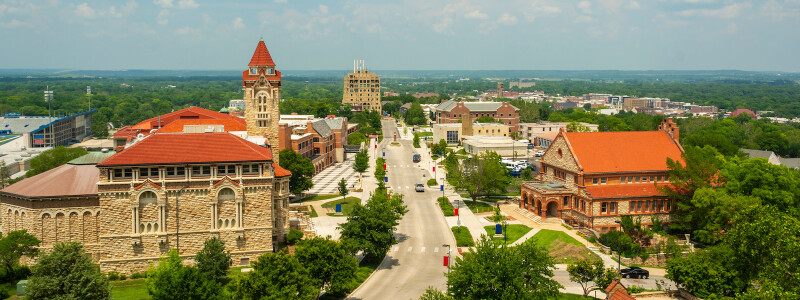
The FIFA World Cup 2026™ is bringing unprecedented global attention to the Midwest, and behind the matches lies a slew of complex sport management operations. Kansas City, Missouri, will serve as an official host city for matches, while neighboring Lawrence, Kansas, will step into the spotlight as a team base camp. This monumental undertaking relies on expertise in sports event management, from coordinating multi-agency security to ensuring athletes have elite facilities and planning marketing and promotional events every step of the way. This post will cover the strategic planning behind team base camps, venue operations, fan experiences, and the educational pathways that prepare professionals for these crucial roles.
Key takeaways
- Hosting an international team requires comprehensive sports event management, including transportation, security, and cultural accommodations
- Venue operations professionals coordinate practice schedules, credentialing, and multi-agency safety plans at facilities such as Rock Chalk Park
- Leveraging sports tourism management strategies aims to engage hundreds of thousands of visitors while supporting local businesses
- Earning a master's degree helps professionals build the foundational sport management skills needed for high-level athletic administration careers
World Cup team base camps and sports event management
The Kansas City region was selected to host multiple national teams at designated team base camp sites, often described as a home away from home providing elite training facilities, accommodations, and operational support.¹ Lawrence was made the official training home base for the Algerian men's soccer team for the tournament, offering a real-world case study in team base camp operations.¹
After nearly two years of preparation, Lawrence officials emphasized that making athletes and staff short-term residents involves far more than providing a practice field.² The city focused on the linguistic, cultural, and nutritional needs of the players and fans.² In addition, base camp planners manage logistical elements such as transportation, privacy, and public safety.² Douglas County even formed a Unified Command structure to coordinate preparations, demonstrating that large-scale events require multi-agency sport management functions.²
Venue operations and sports facility management at Rock Chalk Park
To support an elite international team, a facility must meet rigorous standards. Rock Chalk Park is a premier multi-sport facility and will serve as Algeria's training home base.¹ It offers NCAA-standard competition venues and a state-of-the-art 2,500-seat soccer stadium.³ Dedicated sports facility management teams oversee the venue's vital back-of-house infrastructure (staff-only areas and operational spaces), which includes a locker room, players' lounge, athletic training room, and equipment spaces.³
Effective venue management also requires strict public safety coordination. Drawing on general venue safety practices such as those outlined in NCAA guidance, administrators must ensure appropriate credentialing is in place and maintain clear credentialing protocols and visible access control at restricted areas.⁴ Furthermore, event action plans must include evacuation procedures and weather monitoring.⁴ This level of detail highlights the importance of thorough contingency planning. In the broader region, according to FIFA World Cup 2026™ Kansas City (KC2026) organizers, over 50 local, state, and federal agencies are collaborating across 18 workstreams to finalize a coordinated security plan for the tournament.⁵
Sports tourism management and the fan experience
A major global tournament transforms the host region, making sports tourism management a critical priority. According to KC2026 organizers, the World Cup is projected to attract 650,000 visitors to the Kansas City metro area, generating an estimated $653 million in direct spending.⁵ This reflects a broader national trend; according to Sports Business Journal, fans traveling to pro and college sporting events generated $47.1 billion in direct spending in 2024.⁶
To maximize this impact, host communities invest heavily in sport marketing and fan engagement. The fan experience management strategy includes a free, 18-day FIFA Fan Festival™ at the National WWI Museum and Memorial.⁷ With a capacity of 25,000 people, the festival requires careful crowd planning and safety features such as free water stations.⁷ It also incorporates sponsorship activations, such as partnering with Purina for specific events.⁷ Additionally, according to KC2026, the region has engaged more than 531 civic, community, and corporate organizations to welcome visitors and ensure local businesses benefit from the influx of fans.⁵
Frequently Asked Questions
What does sport management have to do with the World Cup?
Professionals in this field handle the logistics, operations, security, and athlete services required to host the tournament. These events offer both internship pathways and jobs for emerging professionals; whether through pro sports internships or full-time roles.
How does Algeria's Lawrence base camp create a sport management case study?
The Algerian team will use Rock Chalk Park as its training base, providing a concrete example of international logistics.¹ The city spent nearly two years preparing for transportation, accommodation, and cultural support needs.²
What sport management skills are needed for international events?
Planners need skills in credentialing, transportation management, communication, and threat assessment.⁴ They must also excel at interagency collaboration, as demonstrated by the dozens of agencies coordinating regional security.⁵
How do major events like the World Cup affect fan experience and sports tourism?
Large events draw massive crowds that stimulate the local economy and require extensive fan engagement planning. According to KC2026 organizers, the 2026 tournament is projected to bring 650,000 visitors and an estimated $653 million in direct spending to the Kansas City metro area, highlighting the massive scale of sports tourism.⁵
How can KU's online sport management program connect to careers in sports events?
The University of Kansas provides students with the foundational knowledge required to tackle event operations, venue management, and public safety coordination. Earning a master's degree can help you build the expertise to lead complex athletic initiatives and secure advanced careers in the industry.
Lead the future of sports with KU online master's in sport management*
The complexities of sports event management and operations discussed throughout this post demonstrate the incredible opportunities available in the athletics industry. From coordinating international team logistics to designing unforgettable fan experiences, skilled professionals are the driving force behind every successful sporting event.
By enrolling in the University of Kansas School of Education and Human Sciences, you can prepare to lead these massive initiatives and build the skills for a rewarding, long-term career. The online master's in sport management program course information page outlines how our curriculum equips you with the strategic, financial, and operational skills required by top organizations.
If you are ready to elevate your career and step into leadership roles within sport management, KU is here to support your journey. Contact us with any questions about the admissions process, or schedule a call with an admissions outreach advisor today to have all your questions answered.
*This program is a Master of Science in Education (M.S.E.) degree in health, sport management, and exercise science with an emphasis in sport management.
- Retrieved on June 18, 2026 from kansascityfwc26.com/team-base-camps/
- Retrieved on June 18, 2026 from lawrenceks.gov/2026/02/its-official-lawrence-will-host-team-algeria-base-camp/
- Retrieved on June 18, 2026 from places.ku.edu/buildings/rock-chalk-park
- Retrieved on June 18, 2026 from ncaaorg.s3.amazonaws.com/championships/resources/common/2024-25NCAAChamp_BestPracticesVenueSafetySecurity.pdf
- Retrieved on June 18, 2026 from kansascityfwc26.com/kc2026-hits-its-stride-smallest-host-city-sets-high-standard-for-fifa-world-cup-readiness/
- Retrieved on June 18, 2026 from sportsbusinessjournal.com/Articles/2025/04/16/sports-tourism-fans-spent-471b-traveling-in-2024/
- Retrieved on June 18, 2026 from kansascityfwc26.com/fifa-fan-festival/